

Key Takeaways
Prioritize situations involving immediate danger, active property damage, loss of essential services, or a home that cannot be secured or safely occupied.
Define emergency categories in writing, provide residents with a dedicated contact number, and set spending limits and procedures for dispatching qualified vendors.
Keep records of resident communications, response times, photographs, work orders, and invoices to support property oversight, insurance claims, and accurate financial reporting.
A tenant sends a text at eleven o’clock at night about a dripping kitchen faucet. Another calls at the same time because water is leaking through the bedroom ceiling.
While both situations need attention, only one is likely to require an immediate after-hours service call. Understanding the difference is essential to creating an effective emergency maintenance policy for a rental property.
Fireside Property Management offers 24-hour emergency maintenance availability that gives us extensive experience handling urgent property issues and helping owners determine the appropriate response.
GET A FREE RENTAL ANALYSIS TODAY
Rental Analysis
What Counts as an Emergency Maintenance Call?
A maintenance request generally qualifies as an emergency when someone could be injured, property damage is actively spreading, or the home cannot be safely occupied. These situations require prompt attention to avoid risk to residents and the property.
Maintenance Issues That Qualify as Emergencies
A suspected gas leak requires immediate action. Residents should leave the property and call 911 from a safe location outside. Contacting the maintenance team comes after addressing the immediate safety risk.
Burst pipes, active leaks, and flooding also require urgent attention. If it is safe and the shutoff valve is accessible, residents may be able to stop the water supply while waiting for assistance. Sewage backing up into a living area is another emergency because it can create hazardous conditions and make part of the home unusable.
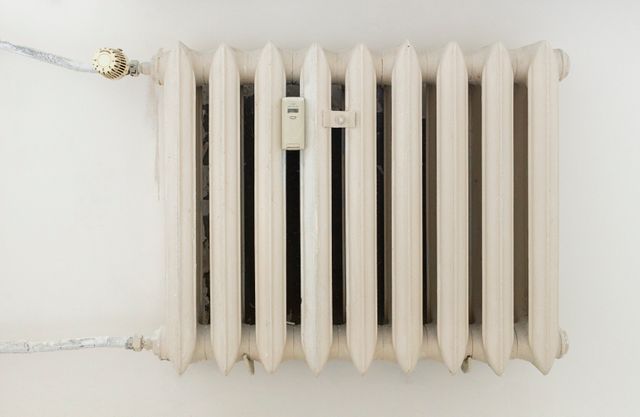
Although San Jose winters are generally mild, California Civil Code Section 1941.1 identifies heating facilities among the features relevant to a rental property's habitability. A furnace that stops working on a cold December night may therefore require prompt action.
A complete loss of water is another serious concern because residents need a functioning water supply for essential daily activities. Problems with exterior doors or windows can also qualify as emergencies when the property cannot be secured.
Roof leaks during a storm may also require emergency attention when water is actively entering the home or threatening to damage ceilings, walls, electrical systems, or personal belongings. The immediate goal is to address the source of danger or contain the damage as quickly as possible.
Maintenance Issues That Can Usually Wait
Not every repair request requires an after-hours vendor. A dripping faucet or running toilet may be able to wait if the water can be safely shut off at the supply valve and there is no risk of additional damage.
A single malfunctioning outlet or burned-out light bulb is generally a routine maintenance issue unless there are signs of a more serious electrical hazard. Similarly, a broken dishwasher, garbage disposal, or oven usually does not require an emergency visit.
Slow drains without sewage backup, pest concerns without an immediate safety risk, cosmetic damage, sticking doors, and fence repairs can typically be scheduled during normal business hours. Owners must still consider any applicable legal requirements, lease terms, and the circumstances affecting the resident.
The distinction depends on the actual conditions, not simply the name of the malfunction. A minor plumbing issue can become an emergency if it begins flooding the home, while a broken appliance may be inconvenient without creating an immediate threat.
A Three-Tier Framework for Urgent Repairs
A consistent maintenance framework helps property managers and residents determine how quickly a problem needs attention.
Start by considering whether anyone is in danger, whether damage is spreading, whether the home is unsecured or lacks an essential service, and whether the resident can safely contain the problem using an appropriate shutoff.
An emergency falls into the first tier when someone may be harmed, damage is actively spreading, or the property cannot be secured or safely occupied. These situations require immediate dispatch, with emergency services contacted whenever there is an immediate threat to life or safety.
The second tier covers urgent problems that are contained but significantly affect daily living. Examples might include a loss of hot water or a broken refrigerator. These requests should be scheduled as promptly as practical, potentially the same day or first thing the following morning, depending on the circumstances.
The third tier includes routine repairs that do not present an immediate safety risk, threaten ongoing property damage, or prevent the home from being secured or safely occupied. These issues can generally be entered into the maintenance schedule for the next business day or another appropriate appointment during normal operating hours.
CONTACT US TODAY FOR MORE INFORMATION
Contact Us
These response categories are practical management guidelines rather than statutory deadlines. Property owners should establish clear expectations in their lease agreement, while ensuring that the policy complies with applicable legal duties. Defining response priorities in advance helps prevent disagreements.
After-Hours Maintenance Protocols That Protect Your Budget
Unnecessary after-hours expenses often arise when residents and property managers have different ideas about what constitutes an emergency.

A written policy, a clear reporting process, and consistent decision-making can help reduce confusion without delaying necessary repairs.
Define Emergencies in Writing
Property owners should describe emergency maintenance situations in the lease or a separate addendum. Explaining which issues require an immediate call and which should be submitted through routine maintenance channels helps residents understand what to do when a problem occurs.
Written expectations also provide a consistent reference for property managers and maintenance vendors. Rather than deciding from scratch during every after-hours call, everyone can follow the same general framework while considering the specific circumstances.
Establish a Dedicated Emergency Contact
Residents should have one clear phone number to use when an urgent maintenance issue arises outside regular business hours. Emergency reports should reach a person or a system designed to trigger an appropriate response rather than sit unread in an email inbox until the next morning.
Keeping the reporting process simple helps residents communicate quickly when immediate attention is needed. It also helps property managers distinguish emergency calls from routine requests that can be tracked through the normal maintenance system.
Assess the Situation Before Dispatching a Vendor
Whenever it is safe and appropriate, property managers can begin by asking questions to understand the problem and determine whether the resident can take a simple step to limit damage.
Residents should never be instructed to perform an action that could expose them to danger. When the situation involves gas, fire, smoke, electrical hazards, or another immediate threat, personal safety takes priority over troubleshooting.
Work With Qualified Vendors and Keep Detailed Records
Using appropriately licensed vendors helps property owners arrange qualified service for repairs that require specialized expertise or licensing.

Every emergency repair should also be documented. Photographs, timestamps, communications, work orders, and invoices can help establish what happened, when the response began, and what work was completed.
Property access must also be handled appropriately during emergency maintenance. Owners and managers should follow the applicable legal requirements when arranging access.
How Residents Should Report a Maintenance Emergency
Residents should address immediate safety concerns before contacting property management. If there is a fire, smoke, or a suspected gas leak, they should leave the property and call 911 from a safe location. They should not delay emergency action to submit an online maintenance request or send an email.
Once everyone is safe, residents should call the designated emergency maintenance number. A useful emergency report identifies the property's address, describes the problem, explains any steps already taken, and provides resident contact information. Residents should also indicate whether arrangements will need to be made for the vendor to enter the property.
Bottom Line
An emergency is not defined by how frustrated or concerned a caller sounds. The more useful test is whether someone may be in danger, property damage is spreading, or the home cannot be secured or safely occupied. Other maintenance issues can generally be handled through the regular repair schedule when conditions permit.
Property owners should establish these expectations in writing before the first after-hours call, give residents a clear emergency contact number, and maintain a process for documenting every repair.
Contact Fireside Property Management to learn how professional management can help you coordinate maintenance and protect your rental investment.
GET TO KNOW OUR TRUSTED TEAM
Our Company
Frequently Asked Questions About Emergency Maintenance in Rentals
Can a Landlord Enter a Rental Without Notice During an Emergency?
Yes. California Civil Code 1954 lists emergencies among the situations where a landlord may enter without advance notice. A burst pipe or fire would qualify. A dripping faucet would not, and ordinary repairs still need proper written notice.
Keep a record of why you entered and what you found. If the tenant is home, knock and announce yourself first. Because entry rules have specific requirements, owners with questions about a particular situation should check with a California attorney.
How Fast Does California Require a Landlord to Make Repairs?
For ordinary repairs, California law generally treats 30 days as a reasonable period when a tenant uses the repair-and-deduct remedy. That is a legal benchmark for routine problems, not a target for emergencies.
A gas leak or flood needs action within hours, and a lost essential service should be restored as fast as a vendor can reach the home. Owners with a disputed repair should get legal advice.
Who Pays When a Tenant Is Locked Out After Hours?
The lease decides, and it works best when the lease says so plainly. Many landlords require the tenant to pay for a lockout caused by lost keys, since nothing is wrong with the property.
A broken lock, a forced door, or a failed entry system is the owner's repair. Spell out both cases in the lease and tell tenants before move-in.
What Should Owners Document After an Emergency Repair?
Keep photos of the damage before and after repair, the time the tenant called, the time the vendor arrived, and the final invoice. Save any messages with the tenant. If the damage might involve an insurance claim, notify your insurer promptly and keep damaged materials until they are cleared.
